
What Causes Bone Loss in Teeth?
There’s more to oral health than a sparkling smile. In fact, the structural integrity of underlying tissues has a staggering impact on your teeth as well as your facial appearance. Join us to learn what causes bone loss in teeth and how this degradation varies from mild to severe decay!
Does gum disease cause bone loss in teeth?
Yes. Periodontal disease, or periodontitis, is one of the leading causes of bone loss in and around the teeth. Here’s how this condition can affect your teeth and jaw:
Plaque and tartar buildup
Gingivitis is the term used to describe the earliest stage of periodontitis, when plaque and tartar begin to accumulate and irritate the gums. During this time, many people experience early signs and symptoms, such as bad breath, inflammation, and bleeding when brushing or flossing. However, the condition is still reversible.
In more advanced cases, tartar makes its way below the gumline, giving bacteria easier access to the deeper tissues supporting the teeth and complicating the treatment process.
Immune response
While bacteria often trigger the chain reaction leading to bone loss in teeth, these microorganisms don’t actually break down tissue. Instead, it’s the body’s inflammatory response.
When your immune system detects an infection in the mouth, it sends inflammatory chemicals to fight harmful bacteria. But over time, chronic inflammation can decay gum tissue, periodontal ligaments, and the alveolar bone surrounding the teeth.
Pocket formation and bone degradation
Without treatment, this chronic inflammation can cause the gums to pull away from the teeth, creating periodontal pockets where bacteria thrive. As more bacteria accumulate in these pockets, inflammation worsens and causes further bone loss in the teeth and jaw. You may notice gum recession, tooth sensitivity, loose or shifting teeth, changes in bite alignment, and even tooth loss.
Can missing teeth cause bone loss?
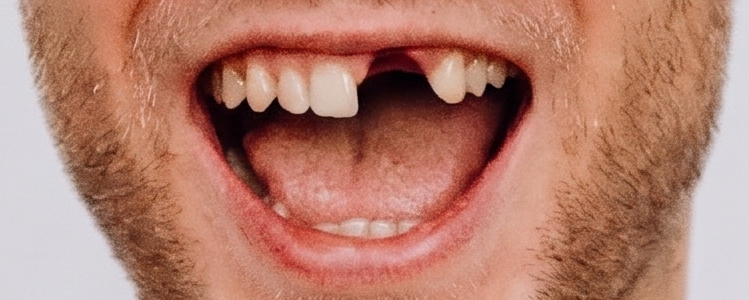
Dental extractions are another leading cause of bone loss in and around the teeth, particularly in the underlying jawbone. Here’s what you need to know:
Loss of stimulation to alveolar bone
“Use it or lose it” is a concept we’re all familiar with when it comes to muscle mass, but it’s easy to forget that our bones also need regular stimulation to stay healthy and strong. Our teeth exert pressure on the jawbone that signals to your body that the tissue is still needed. When a tooth is lost, the root no longer interacts with the jawbone, and tissue maintenance slows down. While dental implants can stop this process, dentures and flippers cannot.
Bone resorption
So, what happens to that tissue when tooth loss causes bone to break down in and around the teeth? Your body actually reabsorbs it. Within a few months after an extraction, your jawbone may begin to lose height, width, and density, ultimately leading to a sunken facial appearance, wrinkling around the mouth, and changes in jaw shape.
For some patients, a bone graft is necessary to reverse the process and create a strong foundation for dental implants.
Shifting teeth
Unfortunately, bone loss isn’t limited to the area just beneath an extracted tooth. Adjacent teeth may drift into the gap, opposing teeth can over-erupt, and bite forces become uneven. In turn, the supporting bone around other teeth changes and weakens.
Other causes of bone loss in teeth
Gum disease and missing teeth are only two of the many causes of dental bone loss. Other factors include:
Lifestyle and health factors
Along with unhealthy oral hygiene routines, other daily habits and medical conditions can ultimately cause bone loss in teeth, including:
Smoking and tobacco use: Reduce blood flow, slow healing, and weaken immune defenses.
Diabetes: Increases inflammation and impairs the healing process. Additionally, gum disease can make blood sugar harder to control, while high blood sugar can worsen periodontitis.
Osteoporosis: Affects bone density throughout the body, including the teeth and jaw.
Nutrient deficiencies: Poor nutrition and insufficient calcium, vitamin D, vitamin C, and protein all inhibit tissue repair and immune function.
Chronic inflammation: Certain autoimmune disorders like rheumatoid arthritis, lupus, and celiac disease, as well as inflammatory conditions, such as inflammatory bowel disease, osteoporosis, and metabolic syndrome.
Medications: Including certain corticosteroids, anti-histamines, stimulants, antidepressants, blood pressure medications, and muscle relaxants.
Tooth grinding, injury, or trauma
Overstimulation of the underlying tissue is another common cause of bone loss in teeth. Bruxism, or repetitive tooth grinding, can eventually lead to bone stress, receding gums, loose teeth, and tooth fractures. A sore jaw, cracked fillings, sensitivity, and morning headaches may all indicate you grind your teeth at night.
Acute injuries also take a toll on bone health, increasing the risk of infection, root resorption, and tooth instability.
Poorly fitted dentures or bridges
Dental appliances like dentures and bridges don’t place pressure on the bone. Over time, that lack of stimulation causes bone loss in teeth. However, when dentures don’t fit properly, they irritate gum tissue and create sore spots, which are more susceptible to severe infections that accelerate degradation.
Stop bone loss in its tracks with Coral Reef Dental!
At Coral Reef Dental, we’re passionate about oral health, inside and out. Schedule a consultation today!