

Oral Mucocele: Causes, Treatments, and Prevention
When it comes to bumps, lumps, and lesions inside the mouth, there’s no condition more common than oral mucoceles. Most of us will develop these benign, pimple-like blemishes at some point, so you’ll want to know how to treat an oral mucocele at home and recognize when to seek medical intervention.
What is an oral mucocele?
An oral mucocele is a harmless, fluid-filled cyst on the inside of the mouth, usually along the bottom lip. These small, solitary bumps may resemble a pimple, blister, or bubble and contain mucus or saliva.
What causes oral mucoceles?
Oral mucoceles form when a mucous membrane or salivary gland duct becomes blocked or damaged. In most cases, this is in response to an injury, such as abrasions from sharp teeth and biting the lip or inner cheek.
What are the symptoms of an oral mucocele?
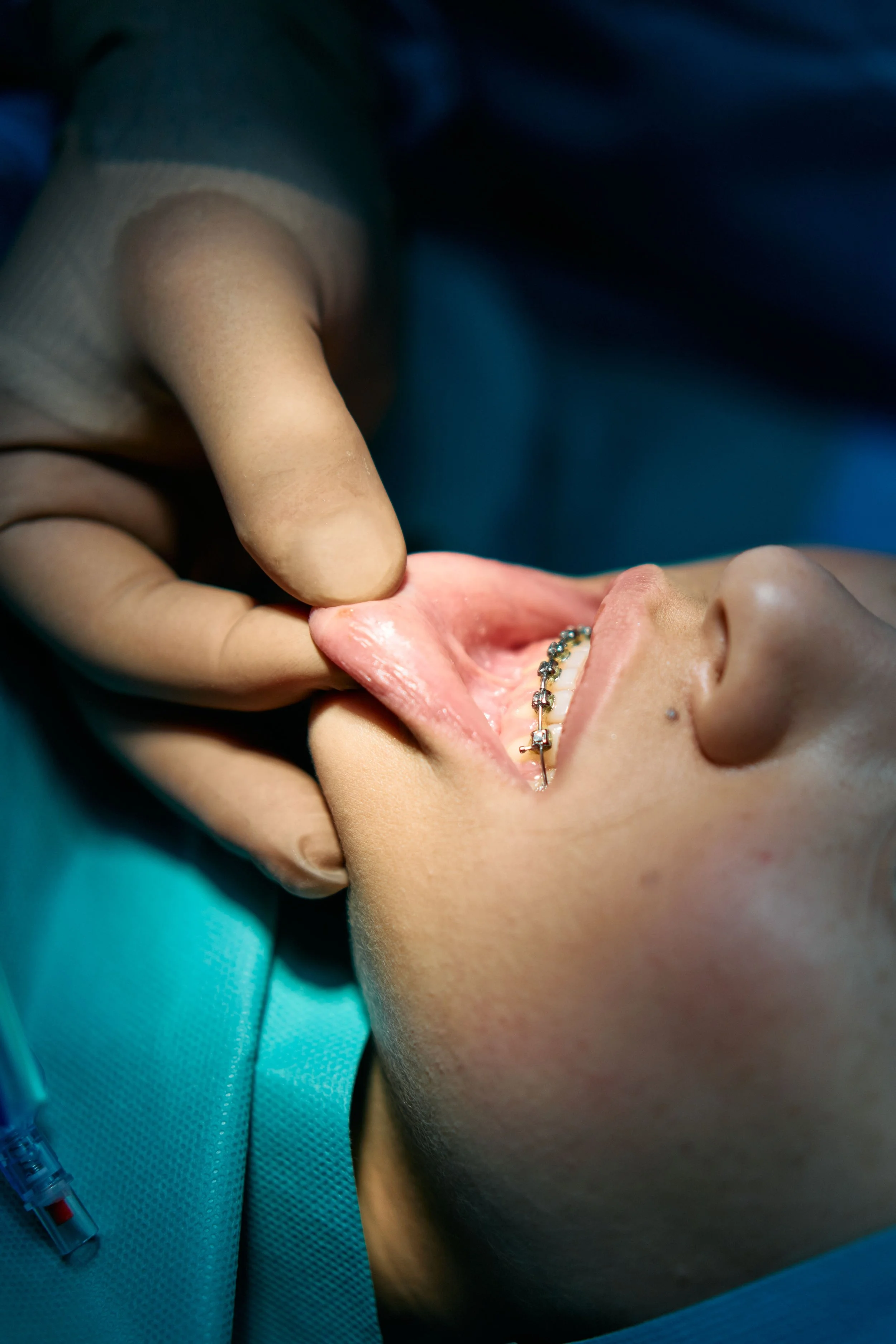
Although symptoms may vary based on size and location, an oral mucocele may have the following appearance:
Soft, dome-shaped lump or bump
Clear, white, pink, or bluish in color
Lesion that fluctuates in size
Painless swelling
Bump that repeatedly bursts and reappears
Smooth or slightly translucent surface
Most appear on the inner lip, but they can form nearly anywhere in the mouth, including the tongue, cheeks, roof, and bottom surfaces. These lumps do not typically hurt unless they interfere with biting or chewing.
How common are oral mucoceles?
These benign bumps are the most common salivary gland lesions, affecting adults and children alike. Since most oral mucoceles resolve on their own without medical intervention, the true number of cases is likely much higher than reported.
How is an oral mucocele treated?
While medical intervention is typically unnecessary, here’s what you can expect from professional treatment:
Diagnosing oral mucoceles
Your dentist or healthcare provider will review your symptoms and medical history, examine the lesion, and ask about any recent trauma or injury to the area. Since these bumps can resemble more serious conditions, such as abscesses, fibromas, and salivary gland tumors, they may perform a biopsy, imaging test, or fine needle aspiration to confirm the diagnosis.
Treatment options for oral mucoceles
In the early stages, your dentist will likely suggest monitoring the oral mucocele, reducing irritation from dental appliances, and eating carefully to avoid biting the lesion. Chewing carefully, rinsing with warm salt water, and avoiding spicy, acidic foods can expedite the healing process. Do not attempt to pop or drain the cyst at home.
If your oral mucocele doesn’t go away on its own, corrective options include surgical removal, laser treatments, cryotherapy, and a procedure called marsupialization, in which a small, permanent opening is created to allow saliva to drain properly.
How long does it take to recover from treatment?
The recovery timeline varies with the type of treatment chosen and the size of the oral mucocele. Most remedies work within days to a couple of weeks. Surgical interventions on particularly large lesions may require a slightly longer healing period.
Managing and preventing oral mucoceles
Accidents happen, and preventing oral mucoceles is not always possible. When these bumps appear, you can reduce the healing timeline and minimize the risk of recurrent lesions by prioritizing your oral health and seeking treatment if needed.
At-home care vs dental procedures
Most oral mucoceles resolve on their own without professional treatment. However, medical intervention may be necessary if the lesion:
Lasts longer than two to three weeks
Rapidly increases in size
Causes pain or significant discomfort
Interferes with eating, swallowing, speaking, or breathing
Frequently bleeds or becomes ulcerated
Feels unusually firm or fixed in place
Changes color abruptly
Becomes infected
Appears on the floor of the mouth and grows large in size
Breaking bad oral habits
Repeated trauma is the leading cause of oral mucoceles, so long-term treatment and prevention may require taking a closer look at your oral habits. Lip biting, cheek chewing, and even chewing gum too aggressively may all cause these lesions to appear. Develop healthy stress-management techniques, address any irritating orthodontic issues or sharp teeth, and consider wearing a mouthguard when playing sports and sleeping.
Maintain optimal oral hygiene
Unlike cavities, oral mucoceles aren’t directly caused by poor oral hygiene. Still, great preventive care practices can reduce the risk of irritation, inflammation, and other dental issues. Floss daily, brush your teeth twice a day, and use fluoride toothpaste and alcohol-free mouthwash. Remember to schedule regular professional cleanings to get ahead of any other dental issues before they worsen.
Experiencing dental discomfort? Visit the team at Coral Reef Dental!
From mysterious bumps in your mouth to cavities, gum disease, and loose teeth, there’s no shortage of reasons you may need to seek corrective treatment with your dentist. But a great oral hygiene routine and biannual cleanings can go a long way to preventing complications. Ready to take control of your oral health? Schedule an appointment at Coral Reef Dental today!