
How Much Does Periodontal Disease Treatment Cost?
If you suspect that you have periodontal disease, you’re probably wondering how much treatment will cost. The answers vary widely, depending on the severity of your condition, the type of therapy you choose, and a number of other factors. Join us as we discuss the average costs of periodontal disease treatment, so you know what to expect.
What is periodontal disease?
Also known as periodontitis or gum disease, periodontal disease is a chronic inflammatory condition affecting the gums, connective tissues, and jawbone. It starts with simple bacterial growth and develops into severe structural damage over time if it isn’t treated early. Here’s what you need to know:
What causes periodontal disease?
Every day, bacteria form a sticky film called plaque on your teeth. You can remove it by cleaning twice a day, but it can quickly harden into tartar if you fall behind on your oral hygiene practices. Your immune system will respond with localized inflammation. Eventually, the presence of bacteria and inflammation degrades your gums and jawbone.
Stages of gum disease
Gingivitis is the first stage of periodontal disease. This is when plaque begins accumulating along the gumline, and brushing and flossing cause gums to bleed or become red and swollen.
If left untreated, gingivitis will progress into mild periodontitis. At this stage, infection can affect the bone that supports your teeth. As the disease advances to moderate and severe periodontitis, bacteria spread deeper, ultimately destroying the jawbone and connective tissue.
It’s important to note that the cost of periodontal disease treatment will increase as the condition becomes more severe. When addressed early, gingivitis can be completely reversed, even on a budget.
Symptoms of periodontal disease
The following symptoms may indicate that harmful bacteria are affecting your oral health:
Red, swollen, tender gums
Bleeding when brushing or flossing
Persistent bad breath
Gum recession or pockets around the gumline
Loose or shifting teeth
Pain when chewing
Pus between the gums and teeth
How much is treatment for periodontal disease?
Although the exact cost of treatment for periodontal disease will vary, we can offer a general price range to help you estimate your overall expenses.
Disease stage and severity
A mild case of gingivitis can often be reversed with a deep cleaning, but a more severe case may require invasive solutions that really impact your finances. It’s always best to schedule a dental visit as soon as you notice potential signs of periodontal disease to minimize treatment costs.
Type of treatment
Your dentist will design a treatment plan around your unique condition. The prices listed are the average out-of-pocket expenses without insurance:
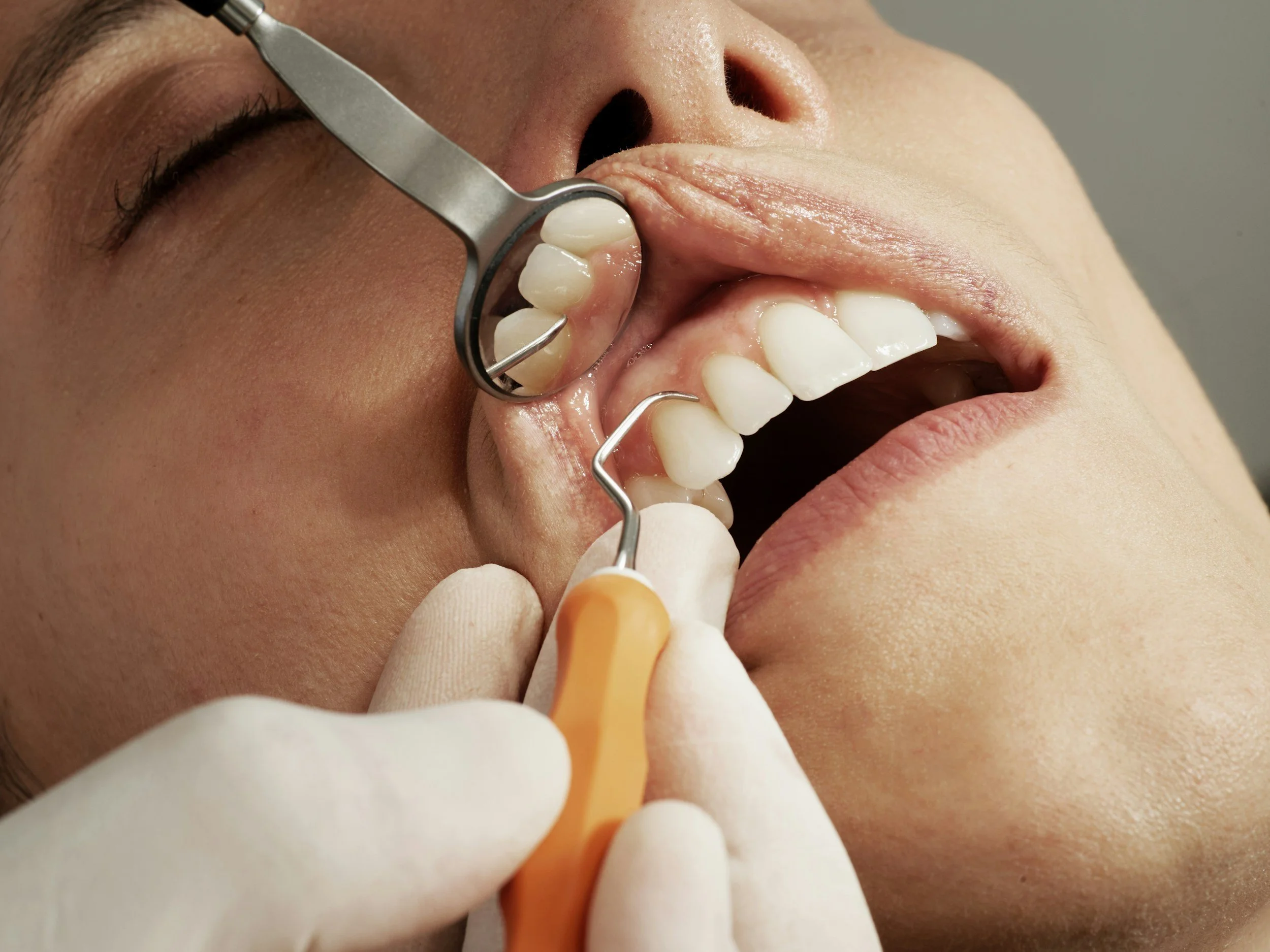
Root planing and scaling: Deep cleaning techniques for mild to moderate periodontitis, costing $200 to $400 per quadrant.
Root canal: Required when infection from a cavity reaches the tooth pulp. May cost $400 to $2,000+.
Laser therapy: Laser surgery is a minimally invasive alternative to traditional procedures. Prices range from $1,000 to $3,000 per quadrant.
Extraction: When the tooth is not salvageable, it must be removed. Simple extractions cost between $75 and $300 per tooth, while more complex procedures can run $1,500+
Gum graft: Used to treat recessed gums and visible roots. May cost $600 to $3,000 per site.
Bone grafting procedure: This severe periodontal disease treatment restores damage to the jawbone and may cost $500 to $5,000 per graft.
Number of teeth affected
Of course, periodontitis treatment costs will increase as the damage spreads throughout the mouth. Treating one tooth might be cheap, but expenses can quickly compound.
Location and provider
Every dental clinic sets its own prices based on market rates, overhead expenses, and other pertinent factors. If you’re concerned about covering the costs of treatment, ask about financial assistance and payment plans, as most providers are happy to work with their patients to ensure they receive the necessary care.
Insurance coverage
Dental insurance can have a significant impact on the cost of periodontal disease treatment. Many policies cover 50% to 80% of costs after the patient meets their deductible. Be sure to read your coverage information to avoid surprises.
What can influence the cost of treatment?
Your overall costs will include additional expenses that usually aren’t included in the sticker price:
Initial assessment and oral exams
While most dental insurance plans cover 100% of routine cleaning costs, a dedicated periodontitis assessment may incur additional fees. Your provider may also take X-rays, perform periodontal charting, and create diagnostic models to track disease progression.
Medications
Expect to pay out of pocket for antibiotics, antimicrobial rinses, and pain relievers associated with treatment.
Additional intervention
Clearly, the effects of periodontitis aren’t limited to the gums. To achieve full restoration and protection against future bacterial growth, your dentist must also address cavities, decay, and cracked or broken teeth. Consider the costs of fillings, crowns, dental implants, and other treatments needed to reclaim your oral health.
Restore your smile, restore your health at Coral Reef Dental!
Coral Reef Dental is a comprehensive dentistry clinic offering preventive, restorative, and emergency services. Contact our office today to schedule an appointment!