
Does Purple Toothpaste Work?
Dreaming of a radiant, white smile? You’re not alone! In fact, the pursuit of the perfect smile has led to the appearance of many topical products and devices promising to remove stains and reverse discoloration. Unfortunately, they’re not all up to the task. In this guide, we’ll answer the question, “Does purple toothpaste work?” and offer a few alternative recommendations to help you achieve your goals.
What is purple toothpaste?
Toothpaste brands like Hismile have gained traction on social media and beyond for their viral purple products, which claim to use color theory to brighten your smile. Color-correcting purple toothpaste essentially neutralizes yellow stains using a deep violet pigment, but this process is little more than an optical illusion.
What are the ingredients in purple toothpaste?
Purple toothpaste often contains synthetic pigments alongside abrasives like hydrated silica and thickeners, such as cellulose gum. In most cases, they lack robust bleaching agents that combat surface staining, including hydrogen peroxide and sodium bicarbonate.
Is purple toothpaste safe?
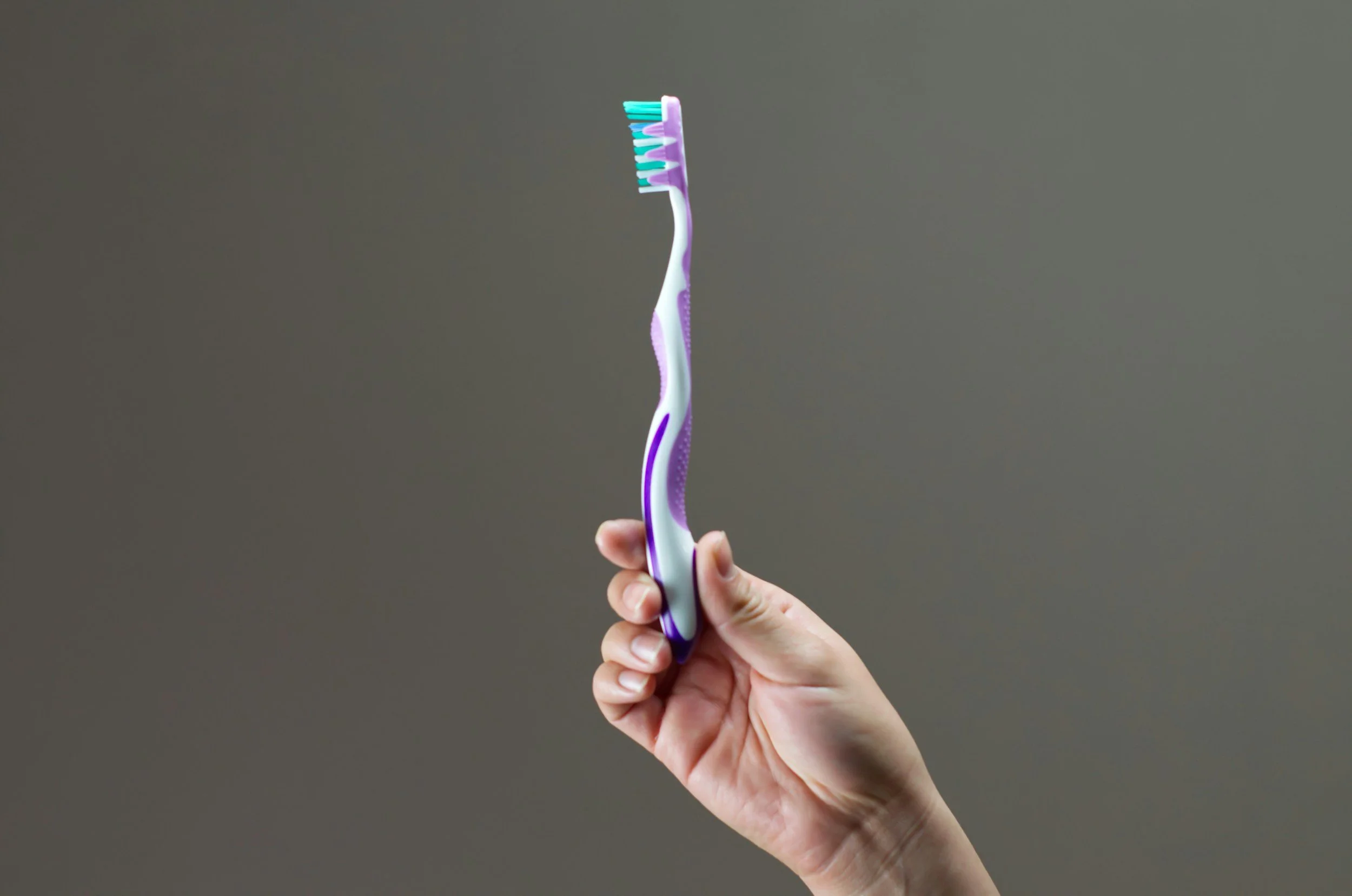
While the ingredients in purple toothpaste aren’t necessarily bad for your teeth, these formulas are often missing some key components required for optimal oral health, particularly fluoride. Using this type of toothpaste exclusively can increase your risk of cavities and tooth decay.
If you choose to use purple toothpaste occasionally, it’s important that you continue to prioritize regular dental care. In addition to professional cleanings, brushing, flossing, and using a fluoride mouthwash twice a day will help you maintain fresh breath and healthy enamel.
Stop using purple toothpaste right away if you experience gum irritation, sensitivity, or allergic reactions.
Purple toothpaste vs traditional toothpaste
The primary purpose of traditional toothpaste is to clean teeth and prevent cavities. However, the main goal of purple toothpaste is largely cosmetic. Most of these viral products aren’t designed with oral health in mind, so they shouldn’t replace your regular dental care products.
Does purple toothpaste really work?
So, does purple toothpaste actually work to remove stains from your teeth? Not really. Purple toothpaste creates a temporary visual effect simulating brighter, whiter teeth, but it doesn’t reverse discoloration caused by coffee, tea, and smoking. Let’s explore the do’s and don’ts of adding this product to your teeth whitening protocol:
Best practices for using purple toothpaste
As long as you don’t expect permanent visual changes or replace your everyday toothpaste with this aesthetic alternative, there’s nothing wrong with occasionally using purple toothpaste to brighten your smile for big events and photo-ops. Consider using it after brushing with a traditional paste containing fluoride.
Potential risks of purple toothpaste
Frequent use of abrasives can damage your teeth and make you more susceptible to staining. Choose an enamel-friendly solution and a soft toothbrush to protect your smile. When used regularly, purple toothpaste can mask the discoloration that may signal more serious dental problems, so don’t skip your bi-annual cleaning appointments.
Visible crowns, veneers, and fillings may also react differently to purple toothpaste than your natural teeth, leading to an uneven appearance. If you’re brightening your teeth for a special occasion, try any new formulas at least a day before the event.
Are there any benefits?
Technically, purple toothpaste can work for temporary whitening effects. They’re particularly useful for people who are sensitive to peroxide-based products. Some of these products may even contain mild abrasives to reduce surface stains, but most long-term effects are minimal.
Alternative methods for teeth whitening
You know that purple toothpaste doesn’t work to reverse discoloration, so what does? There are plenty of effective solutions for stained, yellow teeth that offer longer-lasting results. Ask your provider about the following treatment options:
Over-the-counter products
From whitening strips and toothpaste to gels and pens, you’ll find countless options online or at your local drug store. These products are generally cost-effective and convenient, helping to brighten teeth slowly over time.
Stick with products bearing the ADA seal, as they have been approved by the American Dental Association. Be aware that some whitening kits can increase sensitivity. Only use them as directed, and stop if you experience any discomfort.
Professional teeth whitening
Many dental clinics offer in-office and take-home teeth whitening treatments that allow patients to restore their bright smiles in a way that fits their lifestyles. They’re more expensive than a basic whitening toothpaste, but they’ll also deliver rapid, transformative results. Additionally, your dentist can customize your treatment plan to account for tooth shape, existing color variation, and sensitivity.
What is the most effective way to whiten teeth?
Without a doubt, professional whitening treatments are the safest and most effective solutions for discolored teeth. Most people achieve dramatic results within one to two weeks using light-activated bleaching treatments, custom-fitted trays, or a combination of both.
Brighten your smile and support your health at Coral Reef Dental!
Ready to explore your options for a brighter smile? Coral Reef Dental is here to help! Our team will design a personalized treatment plan to meet your unique needs. Book an appointment today to get started!