
Can Tooth Decay Be Reversed?
No one wants to discover they’re experiencing tooth decay. In fact, many people feel embarrassed, ashamed, and concerned for their oral health when realizing bacteria have taken hold. Fortunately, tooth decay can be reversed if you catch it quickly and act fast to reverse the damage. Let’s explore when and how you can reverse tooth decay!
What, exactly, is tooth decay?
Tooth decay or dental caries is a chronic, progressive disease in which acids break down your enamel and eventually erode your tooth structure. Here’s what you need to know:
What causes tooth decay?
While there are many causes of tooth decay, bacteria are the primary culprit. Certain microorganisms living in your mouth metabolize sugars on your teeth, creating an acidic film called plaque.
This plaque sticks to teeth and develops into tartar, which eats away at your enamel. The more you feed these bacteria with sugary sodas and frequent snacks, the more aggressive your tooth decay may become.
What are the symptoms of tooth decay?
In the early stages of tooth decay, you may notice white spots on the teeth and early signs of increased sensitivity. As it progresses, visible holes or pits begin to develop, and you may become more sensitive to hot, cold, and sweet foods and beverages. Advanced decay can cause persistent tooth pain, dark discoloration, black spots, bad breath, swelling, infection, and, in severe cases, abscesses.
Risk factors and prevention
Some people are more susceptible to tooth decay, including those with:
Poor oral hygiene
Acidic or high-sugar diet
Frequent snacking habits
Dry mouth
Lack of fluoride exposure
Deep grooves in teeth, especially molars
Medical conditions affecting saliva production
In most cases, it’s easier to prevent tooth decay than reverse it. Remember to floss daily, brush twice a day with a fluoride toothpaste, and consider an antimicrobial mouthwash. Limit sugary snacks, chew sugar-free gum, stay hydrated, and don’t skip routine cleanings with your dentist every six months.
Can tooth decay be reversed?
Here’s the good news: Tooth decay can be reversed if you catch it early enough. However, once a cavity forms, the damage is permanent and requires treatment.
What is considered reversible?
The earliest stage of tooth decay is called demineralization, which is when the process can still be reversed. At this point, the enamel is weakened but is still intact. Although you may see white, chalky spots or lesions, there is no actual hole in the tooth.
How can you reverse early tooth decay?
Reversing early tooth decay requires remineralizing your teeth. As you rebuild your oral health, fluoride will be your best friend. It redeposits minerals onto the tooth surface and helps harden enamel. Here’s a checklist to help you naturally reverse tooth decay:
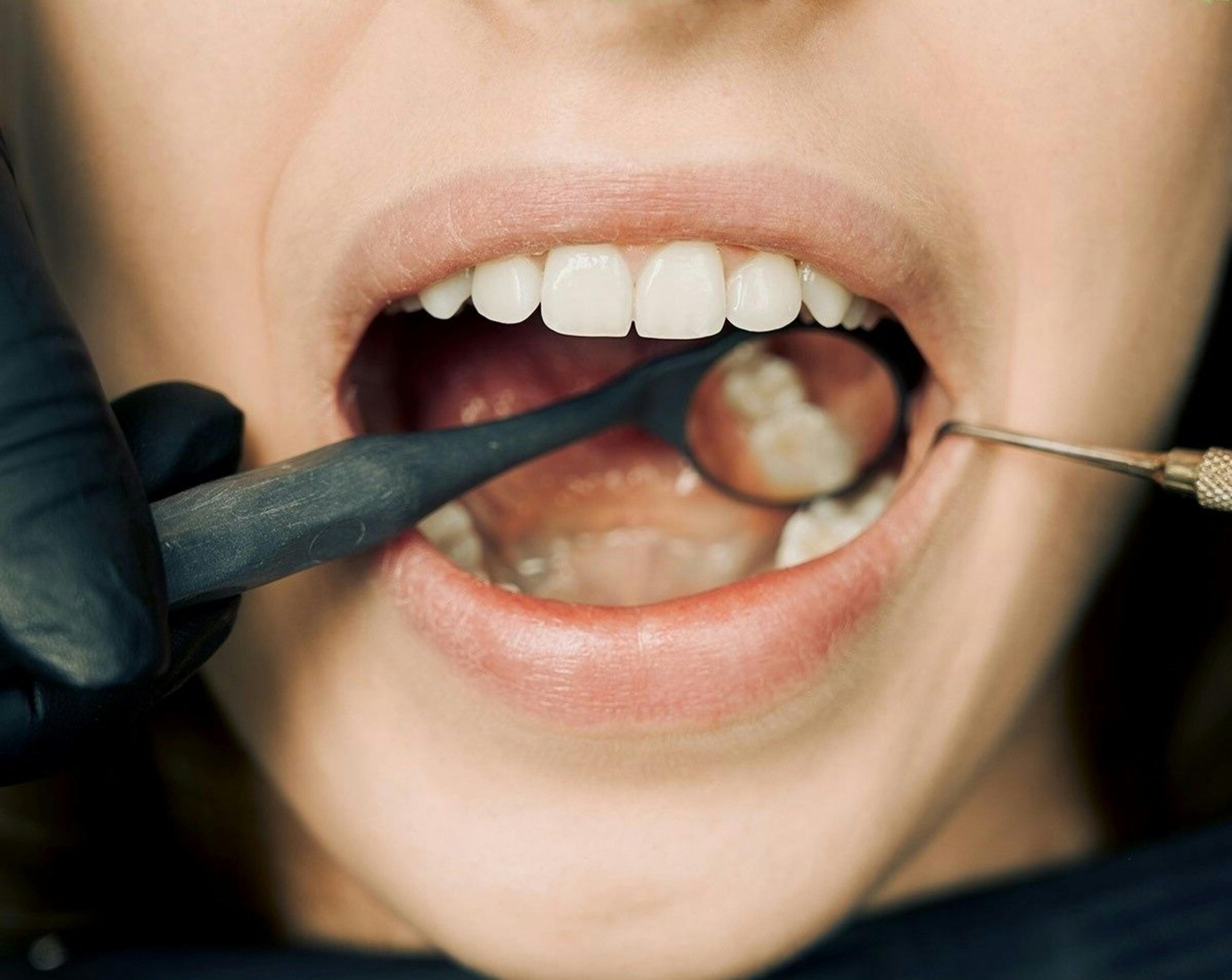
Prioritize fluoride: Prescription-strength fluoride toothpaste can support your dental care routine.
Optimize oral hygiene: Floss, brush thoroughly along the gums, tongue, and entire tooth surfaces, and maintain a consistent habit.
Consider your diet: Limit sugary foods and drinks, avoid snacking, and drink plenty of water.
Support saliva production: Staying hydrated and chewing sugar-free gum can help prevent dry mouth.
Professional support: Dental sealants, fluoride varnishes, and early monitoring can help repair mild tooth decay.
How long does it take to reverse tooth decay?
Once you’ve started taking action to reverse tooth decay, early remineralization can begin at the microscopic level within two to four weeks. White spots may become less noticeable and stop progressing after one to three months. By the six-month mark, the lesion should completely stop developing, although the white spot may not disappear entirely.
Treatments when tooth decay isn’t reversible
Of course, advanced tooth decay cannot be reversed. When a cavity has formed, you’ll need to consider a different treatment option.
Fillings or restorations
A small cavity that only affects the enamel and dentin can typically be resolved with a filling. Your dentist will remove the rotten portion of the tooth, clean the entire surface, and then use a filling material like composite resin, porcelain, or amalgam to fill the hole.
Crowns or onlays
Larger cavities and weakened teeth may require an onlay or crown that covers a portion of the tooth or the entire surface. These are custom devices designed to meet the unique specifications of your tooth. They restore strength and durability and prevent cracks and fractures.
Root canal
When decay has reached the pulp or nerve tissue of a front tooth or molar, it’s necessary to remove diseased tissue with a root canal. During this procedure, the entire interior surface of the tooth is cleaned, filled, and sealed, with a permanent crown added afterward.
Extraction
The most advanced stages of tooth decay require extraction, in which the entire tooth is removed from the socket. Your dentist may suggest this if the decay threatens the health of the surrounding teeth and the bone tissue beneath. Following extraction, an implant, bridge, or denture is used to restore your smile and support your jawbone.
Keep your smile healthy by visiting Coral Reef Dental!
Ready to reverse tooth decay and reclaim your oral health? Coral Reef Dental is here to help! Contact our office today to schedule an appointment.